Postpartum in a Culture That Won’t Let Women Rest
Why is it that when a woman blesses the world with a child, the focus is on her “snapback” rather than her recovery? The so-called snapback period has become something online spectators actively anticipate after a high-profile celebrity gives birth, from Ciara and Teyana Taylor to Margot Robbie, Cardi B and Beyoncé. Every day, the everyday woman is bombarded with images that centre on how she is perceived, even during the most vulnerable transition a woman can ever encounter. This obsession with “snapping back”, or what some would refer to as “bounce back” culture, doesn’t stay in the Hollywood realms or the online sphere for long. Beyond celebrity culture, these expectations spill into the everyday, where women are shown ways they could do more. To get “back to her old self”. “Bounce Back” culture can be harmful, especially when unnecessary expectations are put on a new mum to lose weight as quickly as possible. As someone who witnesses women in all the glory and rawness of early motherhood, I’ve seen how damaging these expectations can be. What we should actually be paying attention to during this Golden Hour is learning from your little human, pacing yourself, and meeting yourself with the necessary compassion and care you deserve.
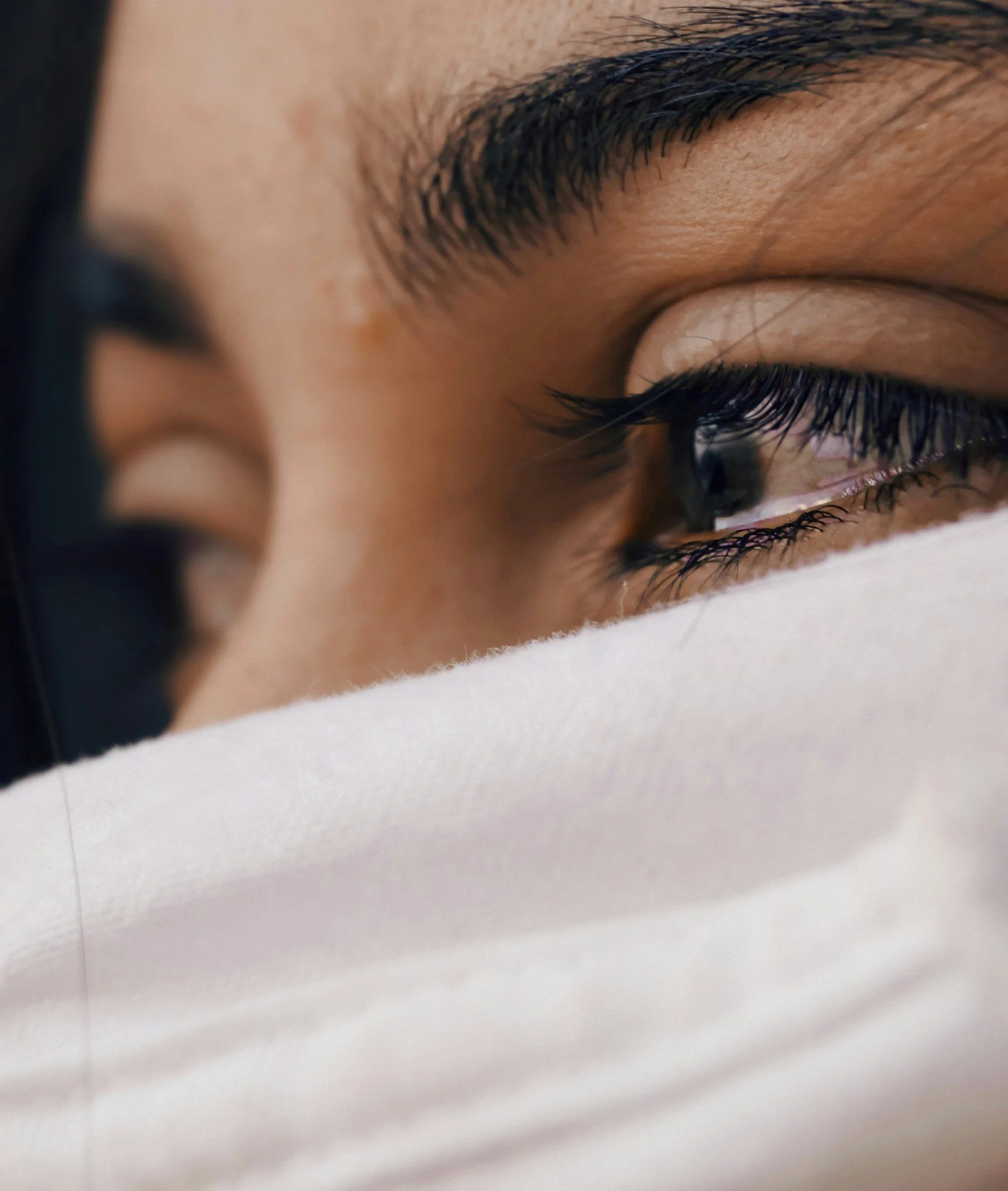
“Bounce Back” can be interpreted in numerous ways, but the agreed-upon definition can leave a bitter taste on the tongue. It’s the idea of “looking like nothing happened”, as quickly as possible. This notion that pregnancy was just a blip, leading Western societies to cement the expectation that you must re-enter “normal life” once your 6-week period of recovery is up. It’s understandable if you feel drawn to change your physical appearance, so your focus may be on weight loss and intense exercise, such as running. However, it’s easy to underestimate just how much physical labour your body has endured.
Symptoms to consider that could make ‘bouncing back’ harder:
Diastasis recti: This is where your abdominal muscles separate to make room for the growing belly, and the muscles haven’t merged back together. This can lead to your stomach bulging, cause pain, constipation, and urine leaks. In some cases, lifting and long walks may need to be limited.
Weakened Pelvic Floor Muscles: Pregnancy, childbirth (vaginally or caesarean), puts an enormous amount of pressure on the pelvic floor. In fact, 60% of women in the UK have been reported to have at least one symptom of poor pelvic floor health after giving birth.
Structural changes of the Pelvis: Relaxin is a hormone which causes joints and ligaments to “loosen” for months, so the baby has more room when it’s time to make their grand entrance. This can lead to additional injuries during exercise or stretching.
For My Caesarean Mamas: You had major abdominal surgery. It’s expected for the incision site to be painful, and internal tissues will need time to heal. Recovery for you can range from 6 weeks to 6 months, and your support system can significantly influence how long it takes.
Vaginal Tearing/Episiotomy: Up to 83% of first-time Mamas experience some degree of tearing, which requires a significant healing time. Discomfort while sitting or walking is expected.
This is happening while your body produces hormones that encourage it to hold onto the fat it stores (tight grip), and the nutrients from your meals are prioritised for your baby. The same is done during breastfeeding, a hunger-driven job. On average, women produce between 750 mL and 800 mL of breast milk per day. Recovery does not come with a certified timeframe. It is demanding. All that milk-making needs energy, which we get from calories, meaning you may need an extra 300-600 calories a day.
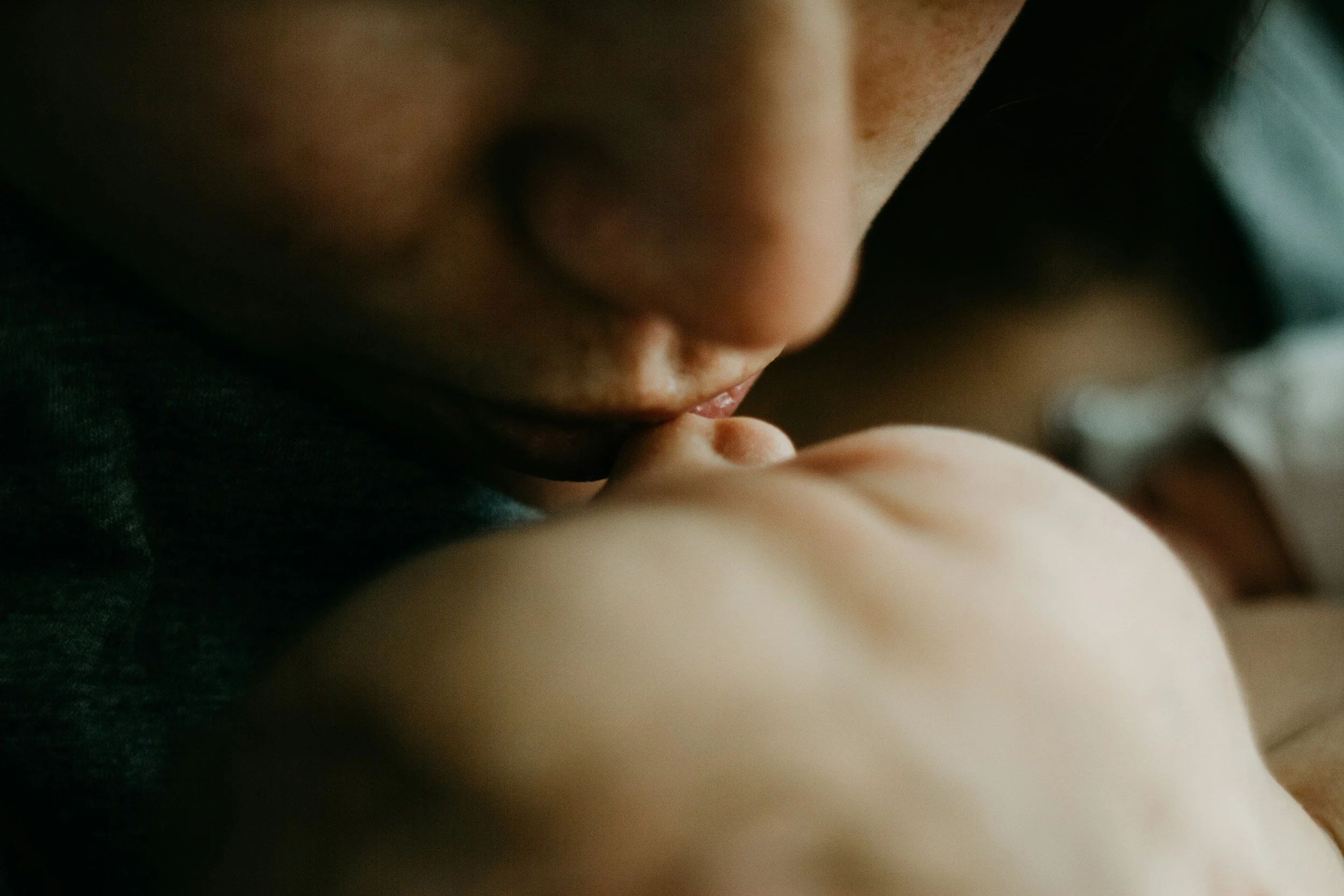
In today's society, some of us are in situations where we must work, carry out domestic labour after a full day of work, provide childcare, and tend to our partners. So when the time comes to bring life into the world, it’s not unreasonable for you to feel you deserve to be treated as the centre of your universe. But that care must come from those who are able and willing to show up. This is where it’s time for your village to come and shine. From your mother to friends, neighbours, and community services, your village can take many forms.
As a Congolese-British doula, postpartum care is a familial process, where the women of the family provide support and nourishment. You can expect your mother to stay with you for a few weeks or longer, cook meals for the family, and support your recovery with traditional remedies, meals, and teas. Similar patterns can be seen in other African and Asian cultures. In recent years, Japanese postpartum confinement has gained popularity, during which women are cared for by their parents or can even be checked into a hotel. This is a time when we find community, not to compare ourselves, but to be held. To speak openly about mental health fears. To be able to see firsthand how you’re not alone.
A video I uploaded over at TikTok, defining Matrescence.
Yet in the UK, such support can seem like a fantasy to some. With underfunding of the postnatal system, a lot of mothers are not being eased into their roles of motherhood. In a survey of 2000 parents, 24% reported being unable to access NHS staff weeks after giving birth, leaving parents to feel anxious during those first few days of their baby’s life. The National Childbirth Trust reported 87% felt overwhelmed, noting significant gaps in emotional and social support. This containment can make it harder for mothers to accept or understand physical changes, integrating their old and new selves, and to recognise the identity shift – Matrescence. One in three new and expectant mothers in England experiences a perinatal mental health problem. Black mothers are more likely to be hospitalised for perinatal mental illness. Transitioning into this journey is much heavier when pressure is applied, especially with a system that struggles to keep you upright.
Would I go as far as to call this body-shaming? I’m not sure, but I’m open to us beginning the dialogue. Beauty trends are constantly shifting, and with the resurgence of thinness, I can’t help but look at this through a harmful lens. I will acknowledge that some women like to get back to their pre-birth weight to feel more like themselves. In contrast, “dad bods” are celebrated and rarely met with the unsolicited commentary of how he “let himself go”. Such messaging continues to suggest that a woman’s worth is tied to how she physically shows up in the world and how she serves it. With tactics being explored, such as “hand-expressing to the max” to influence post-natal weight loss, it leaves a concerning undertone that reflects how extreme bounce-back culture can quietly become. But of course, it doesn’t need to be ingrained with shame.
How to reduce shame while developing a healthy relationship with your body:
Work with a realistic timeframe. For some women, healing “fully” could take between 18 - 24 months. Your nervous system and physical body are adjusting to a major transition.
Be open to avoiding scales during the first few weeks and refrain from restricting calories so quickly. Entering a drastic diet so early on, if breastfeeding, could impact your milk supply.
Recognise that you may be in your Matrescence: that identity shift can come as a shock, especially when confronted with physical changes. In the chaos, remember to find moments of ease.
Remember that this is a vulnerable time. Yes, giving all your love and devotion to your bundle of joy is expected, but you’re allowed to pace yourself. Especially when overwhelmed.
Physical activity is a great way of expressing well-being. For some, exercise is an outlet we turn to, especially to improve our mental health. Gentle, low-impact movements such as walking, yoga, kegels, and diaphragmatic (deep belly) breathing are good starting points.
When it comes to postpartum healing, there is no one-size-fits-all timeline. Our bodies come in many shapes, so they process and recover differently. Comparing your journey to others isn’t helpful, especially now. Shaming yourself is not how you want to begin your journey into motherhood. You deserve so much more than that. You brought life into this world. Please don’t punish the body that carried you through it. Allow this next chapter to unfold at your pace, where you measure progress not by stones lost, but by strength regained, and your nervous system regulated as you build connection.